Does Pilates Oxford Really Help Pain Relief, Strength, Balance Long Term?
People don’t Google Pilates because everything feels great. They search because something’s off. A back that complains every morning. Tight hips that won’t loosen no matter how much stretching they do. A neck that’s permanently halfway to your ears after years of desk work. That’s usually the moment Pilates Oxford pops up on someone’s screen.
Oxford’s full of clever minds and tired bodies. Students hunched over books. Professionals glued to laptops. Parents carrying kids, bags, stress, all at once. Over time, movement becomes sloppy. Posture collapses. Muscles stop doing their jobs. Pain creeps in quietly, then sticks around.
Pilates shows up as an alternative because it doesn’t scream “push harder.” It says, slow down. Pay attention. Learn how you’re actually moving. That alone feels different from most fitness options. And for a lot of people, different is exactly what they need.

What Pilates Oxford Actually Does to the Body (No Instagram Filter)
Let’s be blunt. Pilates isn’t glamorous. Real Pilates Oxford sessions are controlled, focused, sometimes a bit frustrating. You’ll do movements that look easy and feel oddly difficult. That’s because Pilates targets deep stabilising muscles most people ignore.
Breathing is a big deal. And not the fluffy kind. Proper breathing changes how your core supports your spine. It affects tension levels. It calms the nervous system. From there, Pilates builds strength where it matters most — around the pelvis, spine, and shoulders.
This isn’t about big muscles. It’s about useful strength. The kind that helps you sit without slouching, stand without locking up, and move without bracing for pain. People often say they feel taller after Pilates. That’s not imagination. That’s alignment improving.
Pilates doesn’t exhaust you. It reorganises you. And that difference matters more than people realise.
Why Pilates Helps Pain When Other Approaches Fail
Pain is rarely simple. And most people try to fix it with blunt tools. Stretch more. Strengthen harder. Ignore it. Pilates Oxford works because it looks at how pain develops in the first place.
A lot of chronic pain comes from poor coordination. Muscles firing at the wrong time. Others switching off completely. Pilates retrains movement patterns so the workload gets shared properly. Less strain. Less compensation.
That’s why people with long-term back pain, hip discomfort, or neck tension often respond well. Not overnight. But steadily. Movements feel safer. Confidence returns. Fear drops.
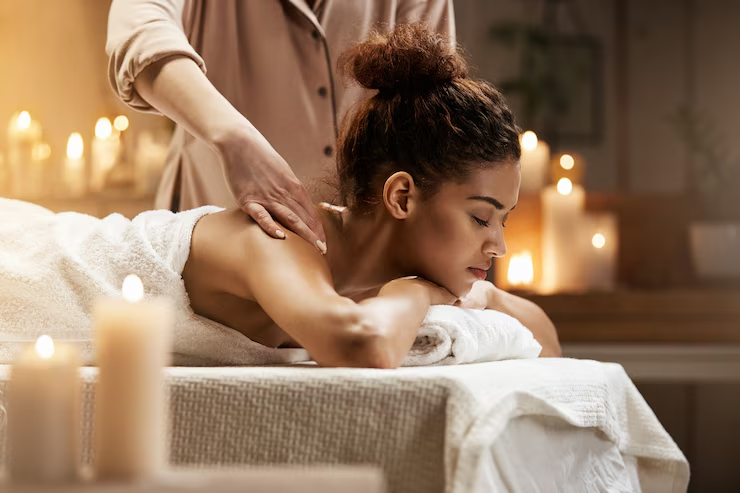
Many people pair Pilates with Massage Oxford, and that combination isn’t random. Massage helps release tight tissue and calm the nervous system. Pilates then teaches the body how not to recreate that tension. One without the other can help. Together, they usually help more.
Pilates Oxford Is Not Just for Fit or Flexible People
There’s this idea that Pilates is only for already-fit, already-flexible people. It’s wrong. Most people walking into a Pilates Oxford studio are stiff, cautious, and unsure. Some are nervous. Some are frustrated. Some are just tired of hurting.
Good instructors don’t expect perfect movement. They expect honesty. Exercises get modified constantly. Nothing is forced. Nobody’s competing.
Pilates is actually ideal for people who feel disconnected from their bodies. People who don’t trust movement anymore because it’s been painful. Pilates rebuilds that trust slowly. That’s more valuable than flexibility.
You don’t need fancy clothes. You don’t need experience. You need patience. That’s the hardest part.
Massage Oxford and Pilates: Why the Pairing Makes Sense
Massage feels great. No debate there. It relaxes muscles, improves circulation, and reduces stress. But on its own, the effects can fade. That’s where Pilates Oxford comes in.
Massage Oxford prepares the body. It reduces guarding. Softens tight areas. Calms everything down. Pilates then teaches the body how to move without loading those same areas again.
People who alternate between Pilates and massage often notice longer-lasting relief. Fewer flare-ups. Less stiffness creeping back. It’s not magic. It’s practical.
This pairing works especially well for desk workers, athletes, and anyone dealing with stress-related tension. Bodies hold stress. Movement patterns reinforce it. Address both, and things change.
Why Pilates Oxford Feels Nothing Like the Gym
Gyms are loud. Busy. Performance-driven. Pilates Oxford studios usually feel calmer. Slower. Intentional.
You’re not chasing reps or burning calories. You’re paying attention. That can be uncomfortable at first. We’re not used to noticing our bodies. Pilates forces awareness.
That awareness carries into daily life. Sitting posture improves. Walking feels smoother. You stop bracing unnecessarily. That’s where real change happens. Not during the session, but afterward.
People often say Pilates makes them feel more “put together.” That’s coordination improving. The body working as a unit again.

Choosing the Right Pilates Oxford Studio Actually Matters
Here’s the blunt truth. Not all Pilates is good Pilates. Some places rush. Some turn it into generic fitness with a Pilates label slapped on. That’s when people get disappointed.
A good Pilates Oxford instructor watches closely. Corrects gently. Explains why things matter. They adapt exercises instead of forcing them. Pain isn’t ignored or dismissed.
If you’re combining Pilates with Massage Oxford or other treatments, communication matters. The body responds best when care is thoughtful and consistent.
Ask questions. Notice how instructors respond. If they listen, that’s a good sign.
Conclusion
If you want instant results and dramatic exhaustion, Pilates probably isn’t for you. If you want to move better, hurt less, and feel more in control of your body, it’s hard to beat.
Pilates Oxford isn’t about perfection. It’s about consistency. Small changes. Showing up even when progress feels slow. That’s how real improvement happens.
When paired with Massage Oxford, Pilates becomes part of a smarter approach to health. One that doesn’t chase symptoms but addresses how the body actually works.


Comments
Post a Comment