What Causes Muscle Pain to Keep Returning After Temporary Relief
Most people don’t realize how badly their bodies are holding tension until pain starts interrupting normal life. Desk jobs. Long commutes. Poor sleep. Stress. Gym injuries. Bad posture while staring at phones for six straight hours. It adds up slowly.
Then one day somebody bends awkwardly picking up groceries and suddenly their neck locks up completely. Happens all the time honestly. That’s partly why treatments like deep tissue massage Oxford clinics provide have become far more common recently. People aren’t just booking massages for relaxation anymore. They’re trying to function normally again without constant stiffness and pain hanging around every day.
And modern stress makes physical tension worse than many realize. Muscles tighten automatically when people stay anxious for long periods. Shoulders rise. Jaw clenches. Lower backs stiffen. Bodies absorb stress physically whether people notice it immediately or not.
The problem is most people ignore early warning signs too long. They stretch once maybe. Rest for a weekend. Then go straight back into the same habits causing the pain originally. Not exactly a sustainable system there.
Muscle Tightness Usually Has A Deeper Cause Underneath Everything
A lot of people treat muscle pain like the actual problem when it’s often more of a symptom instead. Tight muscles usually develop because something else in the body isn’t moving properly.
Could be posture issues. Joint restrictions. Weak stabilizing muscles. Old injuries nobody rehabilitated fully years ago. Sometimes even stress and fatigue patterns affect muscular tension more than expected.
That’s why experienced Oxford Osteopaths often combine hands-on treatment approaches instead of focusing on one isolated painful area only. The body works as a connected system. Tight hips can affect lower backs. Neck restrictions trigger headaches. Foot mechanics influence knee pain surprisingly often.
Everything links together eventually. And honestly, people searching for deep tissue massage Oxford services are usually already frustrated by temporary fixes that never lasted properly. Painkillers help briefly. Quick stretching routines help maybe for a few hours. Then the same stiffness returns again by next morning.
Because the underlying movement problems never got addressed fully. Massage therapy helps release tension effectively, but lasting improvement often requires understanding why the tension developed repeatedly in the first place too.

Deep Pressure Treatment Isn’t Supposed To Feel Like Torture
There’s this weird belief floating around that effective massage therapy must hurt badly to work properly. Not really true honestly.
Yes, deep tissue work can feel intense sometimes. Tight muscles releasing pressure isn’t always comfortable. But there’s a huge difference between therapeutic discomfort and somebody basically attacking muscles aggressively for an hour straight.
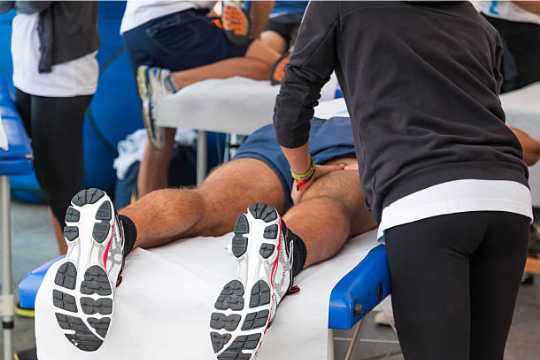
Good therapists understand that balance. A proper deep tissue massage Oxford treatment usually focuses on controlled pressure targeting specific muscular restrictions carefully. Breathing matters. Communication matters too. The goal isn’t bruising people into submission somehow.
And every body responds differently anyway. Some clients need firmer pressure because muscles stay heavily restricted. Others tense up more if treatment becomes overly aggressive immediately.
Experienced therapists adjust accordingly instead of forcing identical routines onto everybody walking through the door. Honestly, some people walk out of poor massage sessions feeling worse because the treatment ignored how their body was reacting in real time. Technique matters massively there.
Office Workers Quietly Develop Serious Postural Problems Over Time
Most office workers think mild stiffness is just part of adulthood now. Neck tightness. Shoulder pain. Lower back tension. Constant headaches after workdays. People normalize all of it weirdly fast.
But sitting badly for years absolutely changes body mechanics over time. Forward head posture becomes common. Upper backs round excessively. Hip flexors tighten from constant sitting. Glutes weaken. Then muscles start compensating everywhere trying hold the body together during movement.
That compensation eventually creates pain patterns difficult ignoring. Which explains why both deep tissue massage Oxford clinics and Oxford Osteopaths see so many office workers lately. Modern work environments wreck posture quietly when movement disappears from daily routines almost completely.
And honestly, gym workouts don’t always fix the issue either. Some people strengthen already tight muscles without correcting movement mechanics underneath first. That sometimes increases tension instead of improving it. Bodies need balance more than brute strength alone.
Athletes And Gym Enthusiasts Often Ignore Recovery Completely
Fitness culture loves talking about intensity constantly. Harder workouts. More weight. More reps. More grind. Recovery though? People skip it constantly until injuries appear.
Then panic starts. Athletes especially develop chronic tightness because repetitive training overloads certain movement patterns repeatedly without enough recovery between sessions. Runners tighten hips and calves heavily. Weightlifters overload shoulders and lower backs. Combat athletes carry neck tension almost permanently sometimes.
That’s where regular deep tissue massage Oxford treatments often become part of ongoing physical maintenance instead of emergency injury management only.
Because waiting until movement becomes painful usually means dysfunction already built up significantly underneath. And osteopathic treatment helps too because muscular tension often connects directly to joint mobility restrictions and movement imbalances elsewhere in the body.
Good recovery isn’t laziness honestly. It’s preventative maintenance. Professional athletes already understand this. Regular people are slowly figuring it out too.
Stress And Anxiety Show Up Physically Faster Than People Expect
Mental stress becoming physical tension isn’t some vague wellness cliché. It’s real. Bodies react to chronic stress automatically whether people want them to or not.
Shoulders tighten first for many people. Then jaw clenching starts. Breathing becomes shallow. Sleep quality drops. Muscles stop fully relaxing even during rest periods. Eventually people wake up already feeling exhausted and stiff before the day even begins.
And honestly, no amount of stretching fixes nervous system overload completely by itself. Sometimes the body needs direct physical treatment helping muscles relax again manually because stress responses became so deeply ingrained over time.
That’s another reason deep tissue massage Oxford services continue growing in popularity beyond simple sports recovery. People are physically carrying emotional stress constantly now.
Oxford Osteopaths often notice this too during assessments. Patients arrive complaining about pain, but underlying stress patterns heavily influence muscular tension and movement restrictions beneath the surface. The body keeps score eventually. Whether people acknowledge it or not.
Quick Fixes Rarely Solve Long-Term Pain Patterns Properly
A lot of people bounce between temporary solutions endlessly. Painkillers. Heat patches. Foam rollers. Random YouTube stretches. Massage guns bought impulsively online at 2 AM after bad back pain episodes.
Some of those things help temporarily honestly. But long-term recurring pain usually needs deeper assessment eventually.
That’s where professional treatment matters. Experienced practitioners identify movement limitations, muscular compensation patterns, and postural habits average people simply wouldn’t notice themselves. Because pain location isn’t always pain source.
A tight lower back may actually connect to weak hips. Neck pain might relate to thoracic spine stiffness. Chronic shoulder tension sometimes begins with breathing mechanics weirdly enough. Bodies compensate intelligently at first. Then painfully later.
That’s why combining approaches like deep tissue massage Oxford clinics offer alongside osteopathic assessment often creates better long-term outcomes overall. One treatment reduces muscular restriction directly while the other addresses structural movement issues underneath. Real recovery usually requires understanding the full picture instead of chasing symptoms individually forever.
Consistent Maintenance Works Better Than Waiting For Pain Crisis Moments
Most people only seek treatment once pain becomes impossible ignoring anymore. Bad strategy honestly. Bodies respond far better to consistent maintenance than emergency damage control every six months after something locks up completely again.
Regular movement helps. Strength work helps too. Walking more matters. Sleep matters probably more than people admit honestly. Stress management too. And yes, proper hands-on therapy can absolutely support recovery and mobility long term when integrated consistently.
That’s why many clients eventually start booking regular deep tissue massage Oxford sessions preventatively instead of waiting for pain flare-ups constantly. Same with osteopathic treatment. Small mobility restrictions addressed early stay easier correcting than long-standing dysfunction left untreated for years.
And people usually move better, sleep better, and function better overall once chronic muscular tension finally decreases properly. Funny thing is, many people don’t realize how uncomfortable they felt daily until the tension finally disappears for a while.
Conclusion
Muscular pain and physical tension rarely develop overnight. Most stiffness, discomfort, and recurring mobility problems build gradually through poor posture, repetitive movement, stress, overtraining, and long periods without proper recovery. Treatments like deep tissue massage Oxford clinics provide can help release stubborn muscular tightness while improving circulation and movement quality. At the same time, experienced Oxford Osteopaths often identify the deeper structural or postural issues contributing to recurring pain patterns underneath. Lasting physical improvement usually comes from consistent care, better movement habits, and treating problems early before the body becomes locked into long-term compensation and tension cycles.



Comments
Post a Comment