Why Active People Need Better Recovery Routines To Avoid Constant Injuries
A lot of people think progress only comes from harder workouts. More miles. Heavier weights. Extra sessions squeezed into already busy weeks. But honestly, recovery is usually the thing people neglect most. Then they wonder why their body feels permanently tight and exhausted.
You see it everywhere around Oxford now. Runners carrying hip pain for months. Gym people ignoring shoulder tension until they can barely press overhead. Cyclists with stiff lower backs that never quite loosen up properly. Even people attending pilates classes Oxford regularly sometimes forget recovery still matters outside the studio too.
That’s where proper hands-on treatment starts helping. Not because it magically fixes everything overnight, but because muscles and connective tissue eventually need support if you’re training consistently.
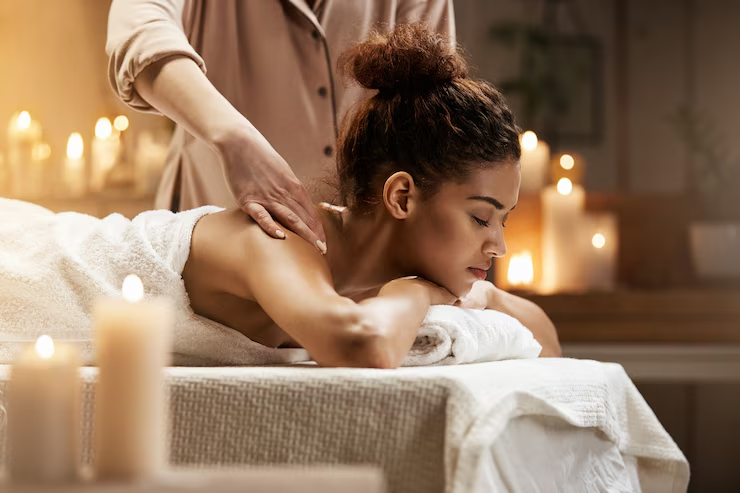
A good oxford Sports Massage session isn’t just someone rubbing sore muscles randomly either. There’s actual assessment involved. Movement patterns. Tissue tension. Restrictions. Compensation habits. All those little physical problems people usually ignore until they turn into something bigger.
And honestly, most injuries give warning signs long before they become serious.

Tight Muscles Usually Start Affecting Movement Before Pain Even Appears
Pain isn’t always the first signal. That’s the problem.
Sometimes the body quietly loses mobility first. Stride length changes slightly while running. Shoulders stop rotating properly during lifting. Hips tighten without you noticing because compensation patterns slowly become “normal.” Then eventually something overloads and pain finally shows up.
That’s why sports massage has become more popular beyond just professional athletes. Ordinary active people are realizing recovery work actually helps keep them moving properly longer-term.
An experienced oxford Sports Massage therapist often spots restrictions before the client fully understands what’s happening themselves. Tight calves affecting knee mechanics. Hip stiffness pulling on the lower back. Scar tissue limiting shoulder movement. Everything connects in weird ways.
The body compensates constantly. That’s both helpful and annoying honestly.
And weirdly enough, many people only realize how stiff they’ve become after treatment starts loosening things up properly. You get used to dysfunction after a while. Human beings adapt to discomfort surprisingly fast.
Probably too fast sometimes.
Sitting All Day Then Training Hard Creates A Rough Combination
Modern life makes recovery harder than it should be.
Someone spends eight or nine hours sitting at a desk, barely moving properly, then heads straight into intense workouts after work expecting the body to perform perfectly. Doesn’t really work like that. Muscles tighten from inactivity during the day, posture collapses forward, hips lock up, then explosive exercise gets layered on top.
That combination beats people up physically over time.
A lot of active adults booking oxford Sports Massage treatments aren’t elite athletes at all. They’re office workers trying to stay fit around stressful schedules. Which honestly is harder than people think. Recovery capacity drops when sleep’s poor, stress stays high, and movement quality disappears outside workouts.
This is partly why pilates classes Oxford have grown massively too. People want something balancing strength with mobility and control rather than endless high-intensity sessions constantly hammering the nervous system.
Pilates teaches awareness. Posture. Stability. Controlled movement. Stuff many gym programs completely overlook.
And when combined with proper recovery work, the body usually responds better overall.

Why Recovery Isn’t Just About Muscles Feeling Less Sore
Most people think sports massage simply reduces soreness. That’s only part of it.
Soft tissue treatment can improve circulation, help reduce excessive muscular tension, and sometimes restore movement quality where tissues became restricted. But the nervous system side matters too. A lot actually.
When muscles stay permanently tight from stress and overtraining, the body basically stops relaxing fully. You carry tension into sleep. Into walking. Into sitting still. Recovery never really completes properly.
Good manual therapy helps interrupt that cycle.
Some people leave oxford Sports Massage sessions feeling lighter mentally as much as physically. Sounds dramatic maybe, but it happens constantly. The body finally drops out of protective tension mode for a while.
And honestly, most active people are carrying way more fatigue than they realize.
Especially runners. Runners are terrible at resting.
Core Stability Changes More Than Most People Expect
One reason pilates classes Oxford keep attracting active adults is because people eventually realize strength alone doesn’t guarantee movement quality. Someone can deadlift heavy weights and still struggle stabilizing properly through the hips or core during everyday movement.
That disconnect creates problems.
Pilates focuses heavily on controlled movement patterns, breathing, alignment, and stability under tension. Which sounds simple until you actually try it properly. Then suddenly tiny movements expose weaknesses you never noticed before.
Weak core stability affects almost everything physically. Running mechanics. Posture. Balance. Lower back support. Even shoulder function. The body transfers force through the center constantly, so instability there tends to create compensation elsewhere.
Some sports massage therapists now recommend mobility or Pilates work alongside treatment because soft tissue release alone doesn’t permanently fix poor movement habits. The body needs retraining too.
Makes complete sense honestly.
You loosen restricted tissue, improve movement, then strengthen proper control patterns before dysfunction returns again. That combination usually works better long-term than chasing pain repeatedly every few months.
Injury Prevention Usually Comes Down To Consistency, Not Intensity
People love dramatic fitness plans. Hard challenges. Extreme routines. But preventing injuries tends to depend more on small consistent habits than heroic effort.
Regular mobility work. Enough sleep. Sensible recovery. Paying attention when the body starts tightening up instead of ignoring it for six months.
Boring stuff basically.
The issue is most active people wait until pain becomes impossible to ignore before seeking help. Then recovery takes longer because the body’s already deeply compensating by that point.
An oxford Sports Massage therapist often spends time educating clients about movement habits as much as treatment itself. How people sit. Train. Recover. Warm up. All those details matter more than fancy recovery gadgets honestly.
Same with pilates classes Oxford sessions. Consistency matters. Tiny improvements repeated weekly gradually change posture, stability, and muscular balance over time. That’s where real physical resilience usually comes from.
Not punishment workouts.
The fitness industry pushes intensity constantly because intensity sells. Recovery doesn’t look exciting online, but it’s usually the missing piece for people stuck in pain cycles.
Stress And Poor Sleep Quietly Destroy Physical Recovery
This part gets underestimated massively.
You can train smart and still struggle physically if stress stays high constantly. Chronic stress affects muscle tension, inflammation levels, sleep quality, recovery speed, energy production — basically everything.
The nervous system doesn’t separate emotional stress from physical strain particularly well.
That’s why some active people feel permanently sore despite training reasonably. Their body never fully switches into proper recovery mode. Sleep becomes lighter. Muscles stay semi-contracted overnight. Fatigue builds quietly week after week.
Hands-on therapy helps partly because it forces the body to slow down briefly. Breathing deepens. Circulation improves. Muscular guarding reduces slightly. It’s not magic. Just physiology.
Some people combine oxford Sports Massage sessions with Pilates because one improves tissue quality while the other reinforces controlled movement and body awareness. Together they support recovery more completely.
And honestly, people move differently once they finally stop feeling permanently tight all the time.
Long-Term Physical Health Needs More Than Just Exercise Alone
Exercise matters hugely obviously. But long-term physical health usually depends on balance more than relentless training volume.
Strength matters. Mobility matters too. Recovery matters. Stress management matters. Sleep absolutely matters. Bodies aren’t machines you can endlessly push without consequences eventually showing up somewhere.
That’s why more people around Oxford are taking broader approaches now instead of focusing purely on hard workouts. They want sustainable movement. Less pain. Better posture. Fewer injuries slowing them down every few months.
Pilates classes Oxford continue growing because controlled movement training helps people reconnect with how their body actually functions instead of just chasing exhaustion constantly. Combined with proper recovery work and sports massage, it creates a much more balanced system overall.
Which honestly feels healthier mentally too.
Fitness shouldn’t leave people feeling broken all the time.
Conclusion
Staying active is important, but training hard without proper recovery eventually catches up with almost everyone. Tight muscles, poor mobility, stress, weak stability, and repetitive strain slowly build into injuries when ignored too long. Recovery work matters because movement quality matters.
An experienced oxford Sports Massage therapist can help reduce tension, restore tissue mobility, and improve recovery between training sessions, while pilates classes Oxford support better posture, stability, control, and long-term movement efficiency. Together they create a smarter, more sustainable approach to physical health.
Not about perfection. Just helping the body function properly so people can keep doing what they enjoy without constant setbacks.


Comments
Post a Comment